


Popular Scaffolding Products in 2026

As we move into 2026, our scaffolding industry continues to evolve. Whether you’re working on a high-reach commercial build in Raleigh, a residential remodel in Durham, or maintaining a historic façade in Greensboro, choosing the right scaffolding products—and knowing how to navigate the new year with the latest in scaffolding technology—can dramatically impact productivity, safety, and overall project cost.
At Associated Scaffolding, we’re proud to offer a comprehensive lineup of industry-leading products and support services, and we’ve got your guide to the most popular scaffolding products for 2026.
Table of Contents
Frame & System Scaffolding: The Backbone of Construction
Frame and system scaffolding continue to be the foundation of modern construction projects in 2026. From large-scale commercial builds to residential remodels and industrial maintenance, these systems remain the go-to solution for safe, reliable access at height..
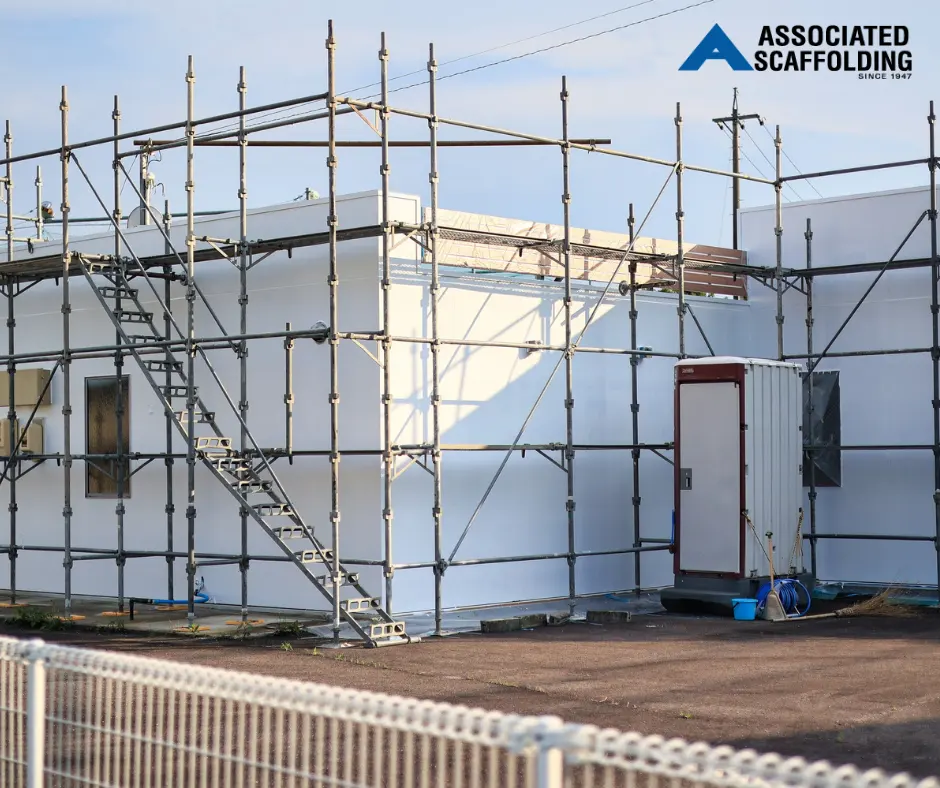
Traditional Frame Scaffolding: Proven and Practical
Frame scaffolding is still one of the most widely used access systems in the industry, and for good reason. Its simple, modular design allows crews to erect stable platforms quickly, making it ideal for exterior wall work, roofing, masonry, painting, and general construction.Contractors appreciate how easily frame scaffolding adapts to changing jobsite needs, whether it’s a short-term residential remodel or a multi-phase commercial project.
In 2026, manufacturers continue refining frame scaffolding with improved welding techniques, stronger steel or aluminum options, and better corrosion-resistant coatings. These upgrades help extend service life, especially on jobsites exposed to weather or heavy daily use. Associated Scaffolding supplies trusted frame systems from brands known for consistent quality and dependable performance.

System Scaffolding: Engineered for Complex Projects
For projects with irregular layouts, higher load requirements, or tighter access conditions, system scaffolding offers a more advanced solution. Unlike traditional frames, system scaffolding uses standardized components, such as rosettes, ledgers, and verticals, that connect at multiple angles. This allows for greater flexibility when working around architectural features, curved structures, or confined urban spaces.
Associated Scaffolding carries system solutions from industry leaders designed to support higher loads and faster assembly without sacrificing stability or safety.
What’s New in 2026: Efficiency, Safety, and Speed
As we move further into 2026, the biggest advancements in frame and system scaffolding focus on efficiency and safety. Lighter components reduce worker fatigue during assembly, while improved locking mechanisms help minimize setup errors. Manufacturers are also emphasizing compatibility across components, allowing contractors to integrate new sections into existing inventory rather than replacing entire systems.
Swing Stages & Suspended Access: High-Rise Solutions
When projects take crews off the ground and into the air, swing stages become one of the most efficient access solutions available. Commonly used on multi-story buildings, bridges, parking decks, and commercial façades, these systems work where traditional frame scaffolding would be impractical or impossible. By suspending platforms from the roof or upper structure, swing stages allow workers to move smoothly up and down the face of a building while staying precisely positioned for the task at hand.
Ideal Use Cases for Suspended Scaffolding
Swing stages are especially valuable for exterior construction, maintenance, and restoration work. Contractors rely on them for window installation, façade repairs, masonry work, painting, waterproofing, and routine building maintenance.In dense urban environments these systems shine because they eliminate the need for ground-up scaffolding that can block sidewalks, restrict traffic flow, or require additional permitting.

Manual vs. Powered Swing Stages
Modern swing stage systems offer both manual and powered options, depending on project scope and budget. Manual systems use hand-operated hoists and are often ideal for shorter durations or lighter loads.
Powered swing stages, which have become increasingly popular heading into 2026, use electric motors for smoother vertical travel, greater efficiency, and reduced physical strain on workers.

Safety, Compliance, and Newer System Improvements
Safety has always been a core advantage of professionally designed suspended access systems, and recent advancements continue to raise the bar. Modern swing stages feature improved guardrail designs, anti-tilt mechanisms, and compatibility with advanced fall protection equipment. OSHA compliance remains a central focus, and standardized components make it easier to inspect, assemble, and maintain systems correctly.
In 2026, there’s also increased emphasis on modularity and lighter-weight materials that still deliver high load ratings.
Pump Jacks & Rolling Scaffolds: Flexible & Budget-Friendly Options
Not every job calls for full frame or system scaffolding. In 2026, contractors continue to lean on pump jacks and rolling scaffolds for projects where speed, flexibility, and cost control matter most. These systems are especially popular for residential renovations, light commercial work, and interior projects where access needs change frequently throughout the day.

Pump Jack Systems for Vertical Adjustability
Pump jack scaffolding is a go-to solution for exterior renovation work such as siding installation, painting, window replacement, and light masonry repairs. The system allows crews to raise or lower the work platform quickly by pumping the jack mechanism along vertical poles, making height adjustments fast and efficient without dismantling the scaffold.
Modern pump jack systems are lighter, more corrosion-resistant, and easier to transport than older steel models.

Rolling Scaffolds for Maximum Mobility
When work needs to move horizontally rather than vertically, rolling scaffolds are usually the most efficient option. These mobile towers are ideal for interior applications like electrical, HVAC, drywall, and finish work, as well as exterior projects on smooth, level surfaces. Instead of tearing down and rebuilding, crews can simply roll the scaffold to the next work area, saving time and labor.
Newer rolling scaffold designs emphasize stability, lockable casters, and lightweight frames that are easier to maneuver without sacrificing strength. Many models also allow for adjustable platform heights and modular add-ons, giving contractors more flexibility as job conditions change.
Why Contractors Still Choose These Systems in 2026
Pump jacks and rolling scaffolds remain popular because they strike a balance between performance and affordability. They require less material than larger scaffold systems, reduce labor time, and are easier to transport between jobsites. For contractors managing tight timelines or working on multiple smaller projects, these systems offer a practical solution without overbuilding the access equipment.
Scaffold Planks, Ladders & Accessories: Don’t Overlook the Essentials
While frames and towers get most of the attention, the accessories are what truly determine how safe, efficient, and adaptable a scaffold system is on a real jobsite. In 2026, contractors are paying closer attention to these components because they directly affect worker safety, setup speed, and overall productivity.

Scaffold Planks: The Foundation of a Safe Work Platform
Scaffold planks create the actual working surface, making their quality critical. Modern planks are engineered for higher load ratings, improved slip resistance, and longer service life.
Aluminum and steel planks are increasingly popular for their durability and resistance to moisture, warping, and rot, while laminated wood planks remain a cost-effective option when properly graded and maintained. At Associated Scaffolding, we stock planks designed to meet OSHA and ANSI standards, ensuring crews have a stable, dependable surface at any elevation.

Ladders & Access Solutions: Safe Transitions Between Levels
Safe access is just as important as the platform itself. Extension ladders, step ladders, and integrated scaffold access ladders allow crews to move between levels without unnecessary risk. Trusted brands like Werner continue to lead the industry in 2026 with ladders built for durability, weight capacity, and consistent performance on demanding jobsites.
Using the correct ladder for the application helps reduce fall risks and keeps projects moving efficiently.
Fall Protection & Safety Equipment: Protecting Your Crew
In 2026, safety continues to be the top priority on every job site. With more stringent OSHA regulations and higher awareness around workplace injuries, having the right fall protection equipment is no longer optional; it’s essential.

Harnesses and Lanyards
Full-body harnesses are the cornerstone of personal fall protection. Modern designs are lightweight, breathable, and adjustable to fit a wide range of body types, ensuring comfort during long shifts. Lanyards, whether standard or shock-absorbing, connect the harness to secure anchor points and reduce impact forces in the event of a fall.
In 2026, many harness systems now come with integrated tool holders and quick-connect buckles, allowing workers to stay productive without compromising safety.

Personal Fall Arrest Systems (PFAS)
PFAS are essential for any elevated work. These systems are engineered to stop a fall before the worker hits the ground, combining harnesses, connectors, and anchor points into a reliable safety solution.
At Associated Scaffolding, we carry PFAS that meet or exceed OSHA and ANSI standards, providing peace of mind for crews on high-rise projects, bridge work, or rooftop access.
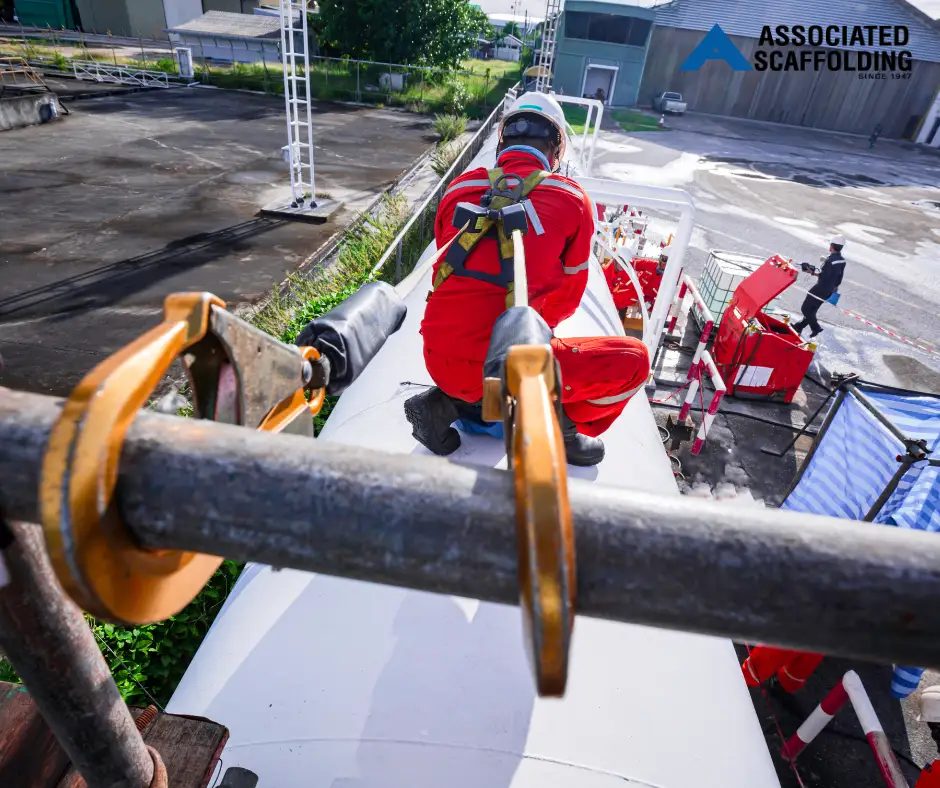
Self-Retracting Lifelines and Leading Edge Protection
Self-retracting lifelines (SRLs) automatically adjust as the worker moves, minimizing slack and reducing fall distance. Class 2 SRLs are particularly important when workers operate near sharp edges, such as the perimeter of scaffolds or building ledges.
These innovations improve both safety and freedom of movement, letting crews focus on their tasks rather than constantly managing ropes and anchors.
Looking Ahead: What’s New in 2026?
As we enter 2026, the scaffolding industry continues to evolve in ways that prioritize efficiency, safety, and adaptability. Contractors are increasingly seeking solutions that streamline assembly, reduce labor costs, and accommodate a wider variety of job types.
One of the most significant trends is the integration of safety into scaffolding components themselves. Today, many scaffolds come with built-in guardrails, adjustable tie-off points, and pre-engineered platforms that reduce the need for separate safety add-ons.
Leading-edge self-retracting lifelines are now being incorporated directly into certain frame systems, allowing workers to stay protected without interrupting workflow. These features not only enhance compliance with OSHA standards, they also reduce setup time and improve overall site efficiency.
Innovation in materials is reshaping how scaffolds are designed and used. Aluminum and composite scaffolds are gaining popularity for their lighter weight, corrosion resistance, and durability, making them easier to transport and assemble while extending product life.
Some new high-strength alloys now offer the same load capacity as steel but at a fraction of the weight, which is a game-changer for urban job sites with limited access or floor load restrictions.
2026 sees an uptick in hybrid scaffolding systems that bridge the gap between commercial and residential projects. These adaptable setups allow crews to combine frame scaffolds, rolling towers, and pump jack systems in a single job site, customizing the solution to each area’s height, access, and safety requirements. This flexibility is particularly useful for renovations in historic buildings or multi-use spaces where traditional scaffolds may not fit.
Another innovation is the adoption of digital tools and inventory management systems. Contractors can now track scaffolding components via QR codes or RFID tags, streamline assembly instructions with AR overlays, and coordinate deliveries more efficiently.
Coupled with national supply chains and online ordering, these tools make it easier than ever to get high-quality products delivered anywhere, while still receiving personalized guidance and support from Associated Scaffolding’s regional teams.
Sustainability is becoming a key focus as well. Many scaffolding products now use recyclable materials or coatings that extend lifespan and reduce environmental impact. This trend aligns with broader construction industry goals for greener job sites, all while maintaining the durability and safety contractors expect.
Where We Serve You
Associated Scaffolding has proudly served construction professionals since 1947, with multiple locations across North Carolina including Durham, Raleigh, Greensboro, and Charlotte, plus branches throughout the Southeast.
Our teams are ready to help you specify the right products for your project, whether it’s a high-rise build downtown, a historic renovation in Chapel Hill, or ongoing maintenance in Fayetteville or Winston-Salem—contact us today!