


Essential Safety Gear for Fall 2026 Projects

Construction site safety starts with matching PPE, fall protection, and access equipment to the work that construction crews perform day to day. For Fall 2026 projects throughout the Southeast, contractors should be prepared with head, eye, hand, foot, and high-visibility protection, as well as harnesses, lifelines, guardrails, scaffolding, and weather-ready jobsite gear.
The fall season can sometimes be one of the busier stretches on construction calendars throughout North Carolina, South Carolina, Virginia, Tennessee, and other nearby states where construction companies work to push forward projects before winter. Maintenance work picks up as periods of varied heat, heavy rain, wind, and tropical weather are still prevalent throughout the season. Shorter daylight hours also adds another variable to already tight schedules.
These conditions make it essential to plan ahead for the PPE, fall protection, access equipment, and safety training your team will need to get the job done safely and efficiently.
Table of Contents
What Types of Construction Projects Are Active in the Southeast This Fall?
Current construction activity across the Carolinas points to a busy mix of healthcare, data center, utility, institutional, and multifamily work heading into fall 2026. According to Carolinas AGC’s 2026 Construction Outlook, 67% of North Carolina contractors reported a net positive outlook for healthcare facilities, while data centers and power projects each reached 50%. Water and sewer projects came in at 38%, followed by hospitals and multifamily construction at 36% and K-12 construction at 33%.
The outlook was even stronger in several South Carolina sectors. Hospital construction led with a 70% net positive outlook, followed by data centers at 67% and other healthcare facilities at 60%. Public buildings and higher education both reached 56%.
For contractors, that activity can translate into fall projects involving:
- Data centers and technology facilities
- Hospitals, clinics, and other healthcare buildings
- Water, sewer, power, and utility infrastructure
- Schools, universities, and public buildings
- Multifamily developments
- Industrial and manufacturing facilities
- Commercial façade repair, roofing, waterproofing, painting, and exterior maintenance
What PPE Should Construction Crews Have for Fall Projects?
Basic construction Personal Protective Equipment (PPE) still forms the first layer of jobsite protection. Under OSHA 29 CFR 1926.95, construction employers must provide, use, and maintain appropriate PPE when workplace hazards could cause injury. Employers must also select equipment that is safe for the work being performed and properly fits each affected employee.
Associated Scaffolding carries PPE and safety equipment for construction crews, including products for head, eye, face, hand, hearing, respiratory, and high-visibility protection.
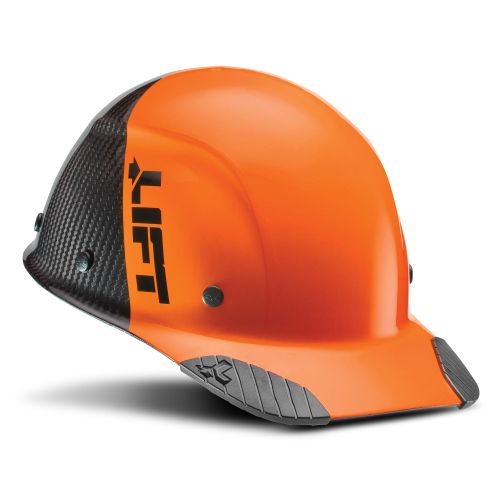
Head and Eye Protection
Hard hats should match the hazards present on the site, particularly where workers may be exposed to falling materials, overhead work, equipment, or electrical hazards. Eye protection is just as task-specific. Cutting, drilling, grinding, demolition, masonry, and similar work can expose workers to flying particles or debris.
OSHA requires appropriate head protection and eye protection when employees are exposed to hazards like flying particles, chemicals, or potentially injurious light.
Gloves, Footwear, and High-Visibility Clothing
Cut-resistant work gloves and other forms of hand protection help protect hands while workers handle scaffold components, sheet metal, masonry materials, tools, or rough building materials. Proper work footwear should provide the protection and traction needed for the site.
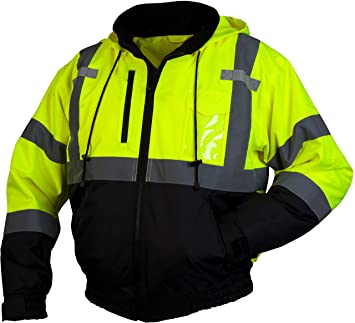
High-visibility clothing becomes especially useful around delivery areas, road work, material staging areas, and jobs where equipment operators share space with workers on foot. As daylight decreases through the fall, visibility needs to be considered earlier in the workday.
Hearing and Respiratory Protection
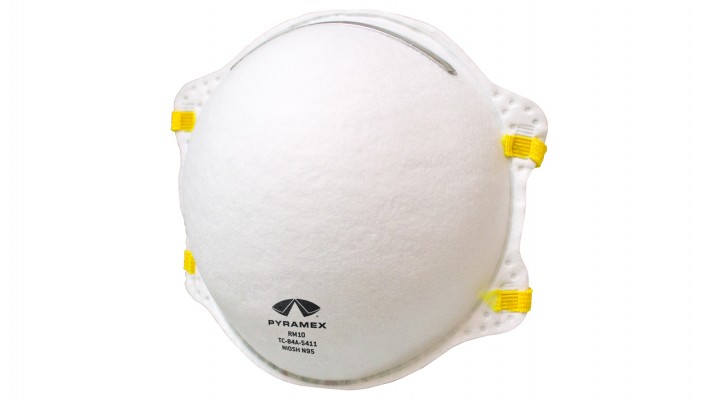
Work around saws, grinders, demolition equipment, generators, and other loud equipment may require hearing protection, while dust-producing operations can create the need for respiratory protection has to be selected around the actual hazard rather than handed out as a general-purpose item.
OSHA requirements can include a written respiratory protection program, equipment inspection and maintenance, and worker training when respirators are required.
What Fall Protection Equipment Should Be Ready Before Work Starts?
Under OSHA 29 CFR 1926.501, Subpart M, construction employers must provide fall protection equipment when workers are exposed to falls of 6 feet or more, while scaffold work is governed separately by 29 CFR 1926.451(g), Subpart L, which requires fall protection above 10 feet.
Full-Body Harnesses, Lanyards, and SRLs
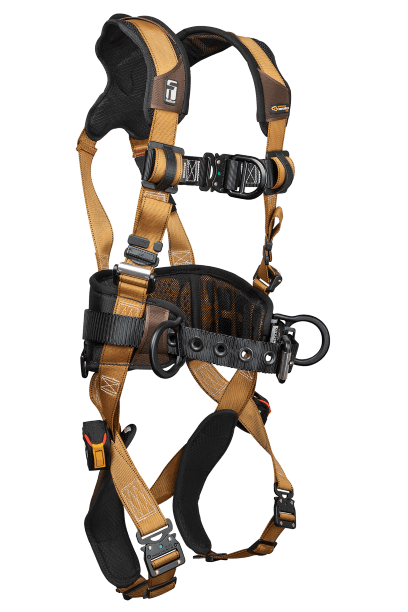
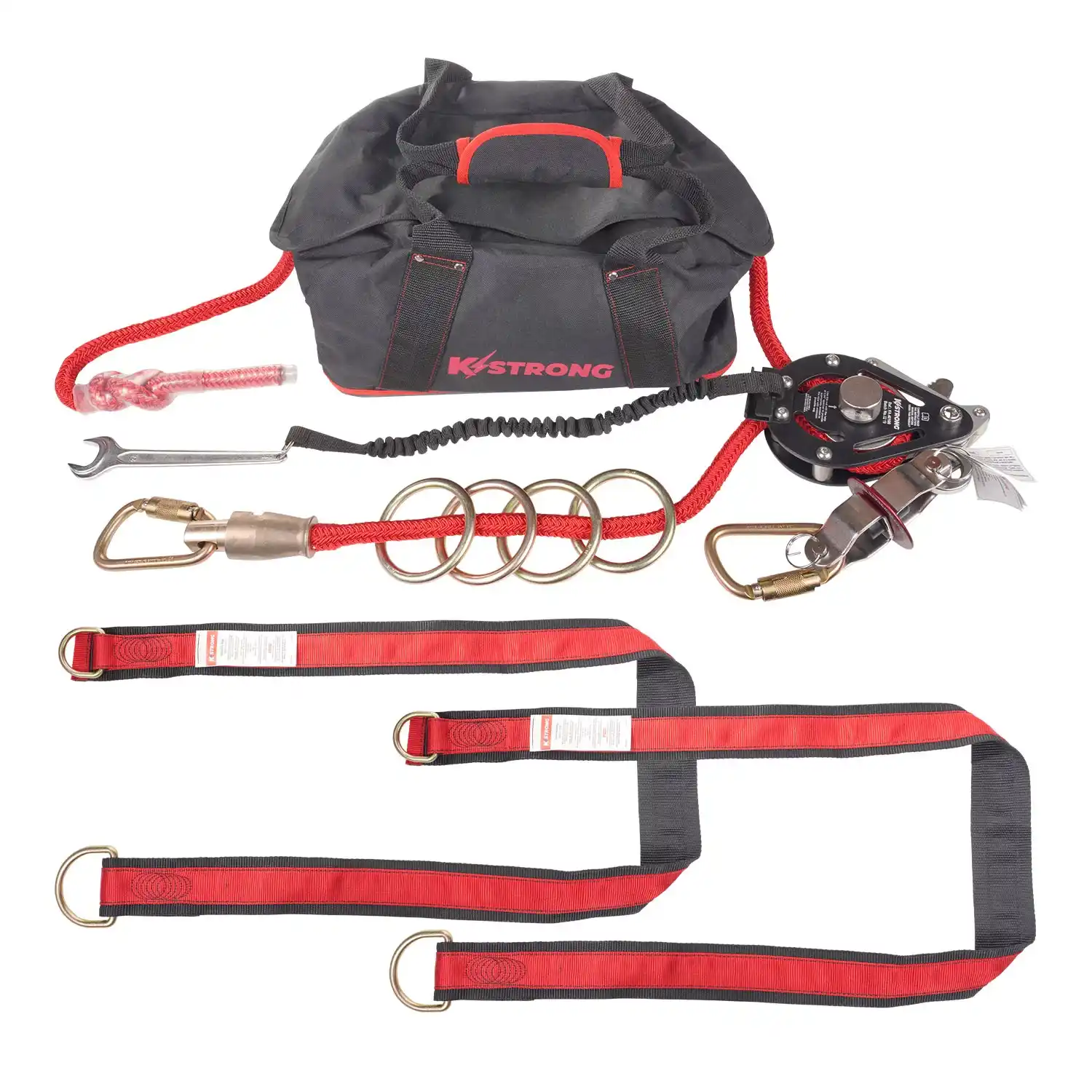
A full body harness is only one component of a personal fall arrest system that should be implemented on jobsites through the autumn months. Teams working on site also need a compatible connection method and approved anchorage.
Depending on the work, that could include an energy-absorbing lanyard, self-retracting lifeline, or equipment specifically intended for leading-edge conditions.
Anchors and Lifeline Systems
An expensive harness connected to the wrong anchor still leaves a serious problem. The location of a fall protection anchor affects fall distance, clearance, worker movement, and the possibility of a swing fall. Crews working across a long roof or elevated work area may require a horizontal and vertical lifeline systems or certain climbing and access applications.
Guardrails and Warning Lines
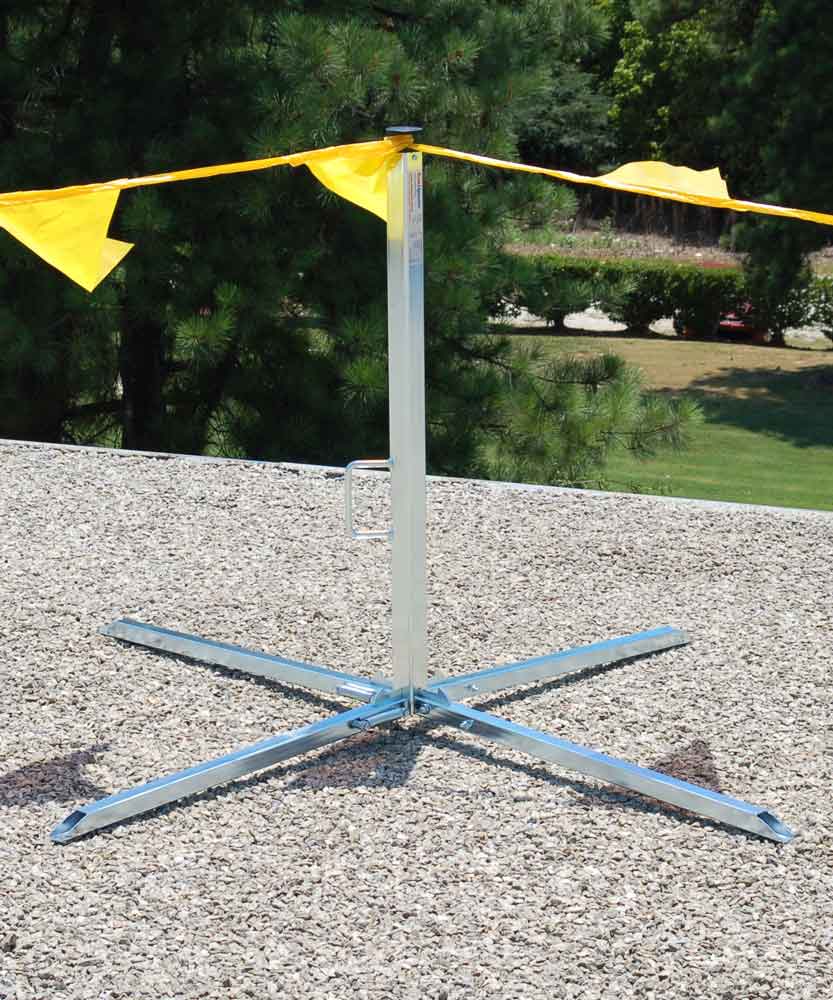
Whenever a passive fall protection system can keep workers away from the hazard altogether, it may reduce the amount of individual tie-off management required across a shared work area.
Guardrails can be used around exposed edges, platforms, roof perimeters, and openings, and warning-line systems are good for roofing applications. However, they are not a universal substitute for guardrails or personal fall arrest systems.
What Access Equipment Works for Different Fall Construction Projects?
Good fall protection cannot compensate for the wrong access method. Contractors should determine how jobsite teams will reach the work area before equipment is delivered to the site.
Associated Scaffolding provides scaffold and access equipment rentals, along with delivery, installation, dismantling, and pickup options.

Frame Scaffolding for Straightforward Exterior Access
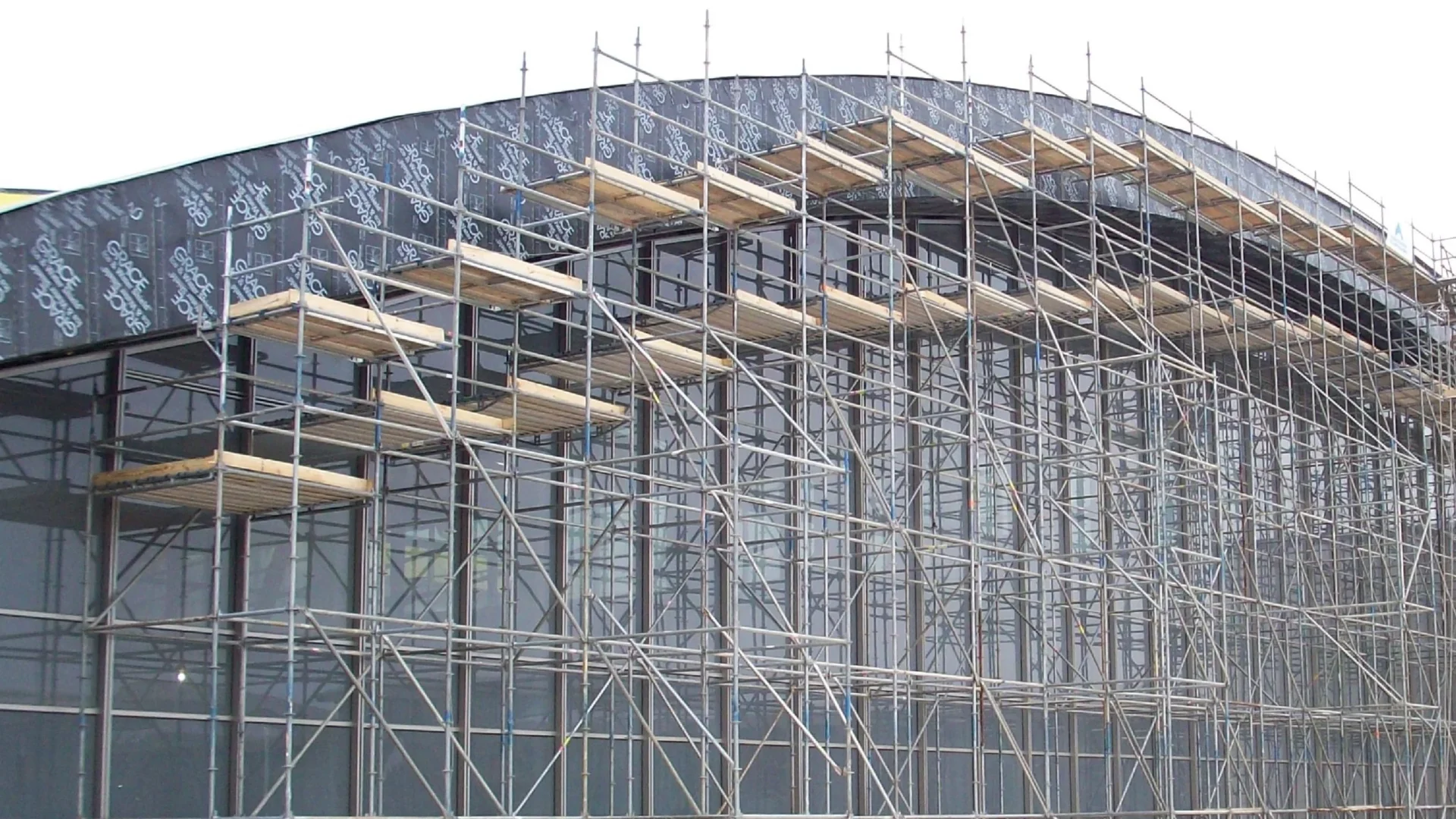
Frame scaffolding works well for many masonry, painting, stucco, restoration, and exterior construction applications where crews need a stable work platform along a relatively straightforward elevation.
Its simple, modular frame design makes it well suited to long, flat building faces where the work area follows a consistent height and layout.
System Scaffolding for Complex Structures
Industrial facilities, mechanical structures, tanks, complex elevations, and large institutional projects may require an access system that can adapt around corners, obstructions, changes in elevation, or unusual geometry. System scaffolding can provide more flexibility for those conditions.
Its modular connection points allow the scaffold to be configured in multiple directions and adjusted around irregular shapes, equipment, and changing elevations.
Swing Stages for Exterior Building Work
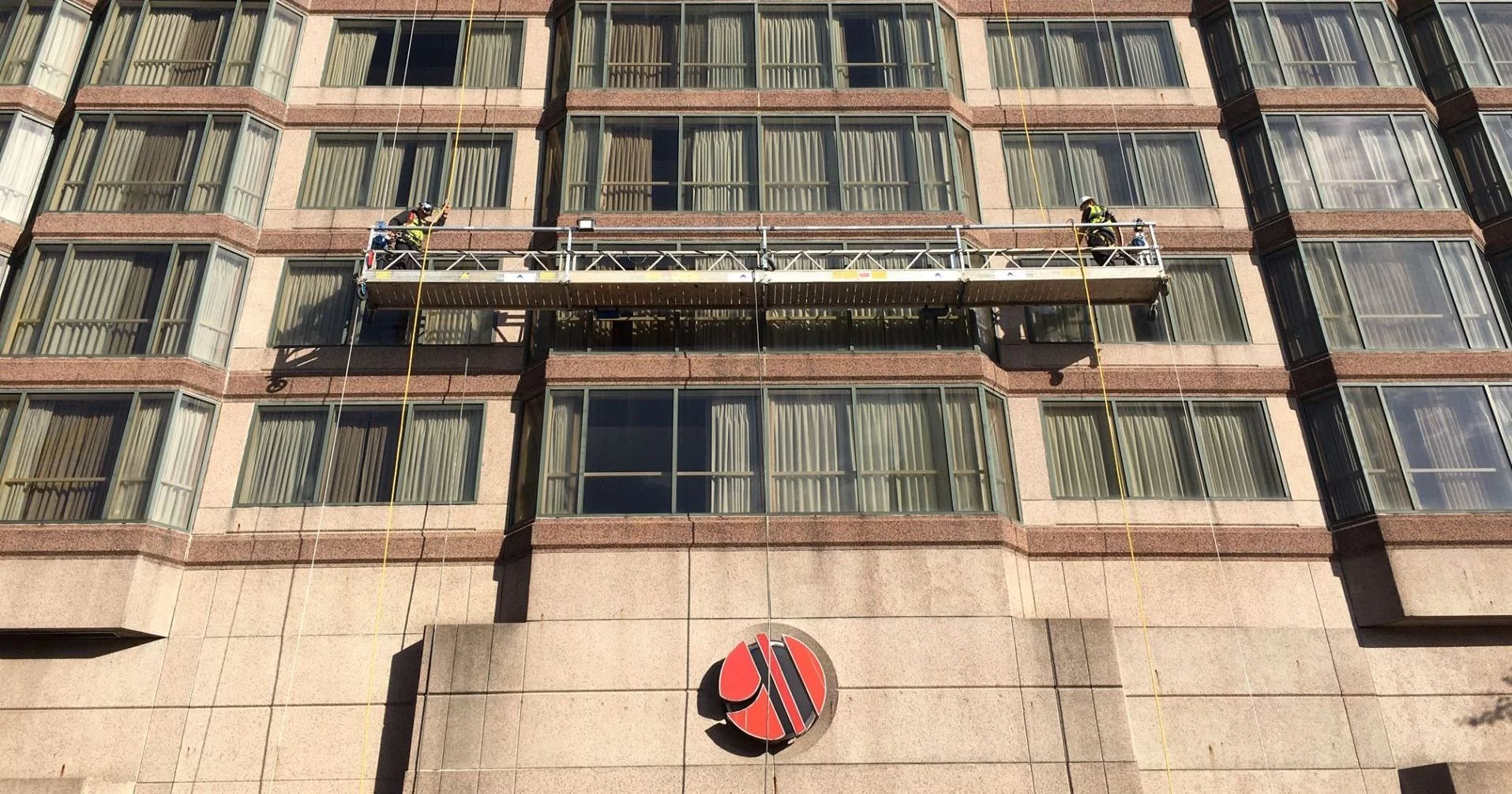
Façade restoration, waterproofing, painting, window work, inspections, and exterior maintenance on taller structures may be better suited to swing stage scaffolding.
Because the suspended platform can be raised and lowered along the building face, workers can reach multiple elevations without constructing supported scaffolding from the ground up.
What Safety Training Should Crews Complete Before Fall Projects?
Equipment works best when the people using it understand the hazards, limitations, inspections, and procedures that go with it.
Associated Scaffolding is an accredited training center through the Scaffolding and Access Industry Association and offers construction safety and OSHA training at training centers across North Carolina, South Carolina, Virginia, and Tennessee. Courses can also be arranged at customer facilities.
Available courses include:
- OSHA 10-Hour Construction Safety and Health
- OSHA 30-Hour Construction Safety and Health
- Supported Scaffold Training
- Suspended Scaffold Training
- Fall Protection Training
- Permit-Required Confined Space Entry
- CPR and First Aid
Supported and suspended scaffold courses include instruction related to hazards, jobsite inspections, access and egress, fall protection, equipment components, and competent-person responsibilities. Training should take place prior to working on a jobsite in preparation for the specific equipment, hazards, and responsibilities workers may encounter once the project begins.
Get Your Fall 2026 Jobsite Ready
A fall safety plan should be built around the work your crews are actually scheduled to perform, not a generic equipment checklist.
At Associated Scaffolding, we have supported contractors since 1947 with scaffold and access equipment rentals, safety equipment sales, installation services, and training throughout North Carolina, South Carolina, Virginia, Tennessee, and projects across the Southeast.
Contact us today to discuss your upcoming Fall 2026 project needs by calling 1-800-768-2655 or filling out our contact form to get started.